
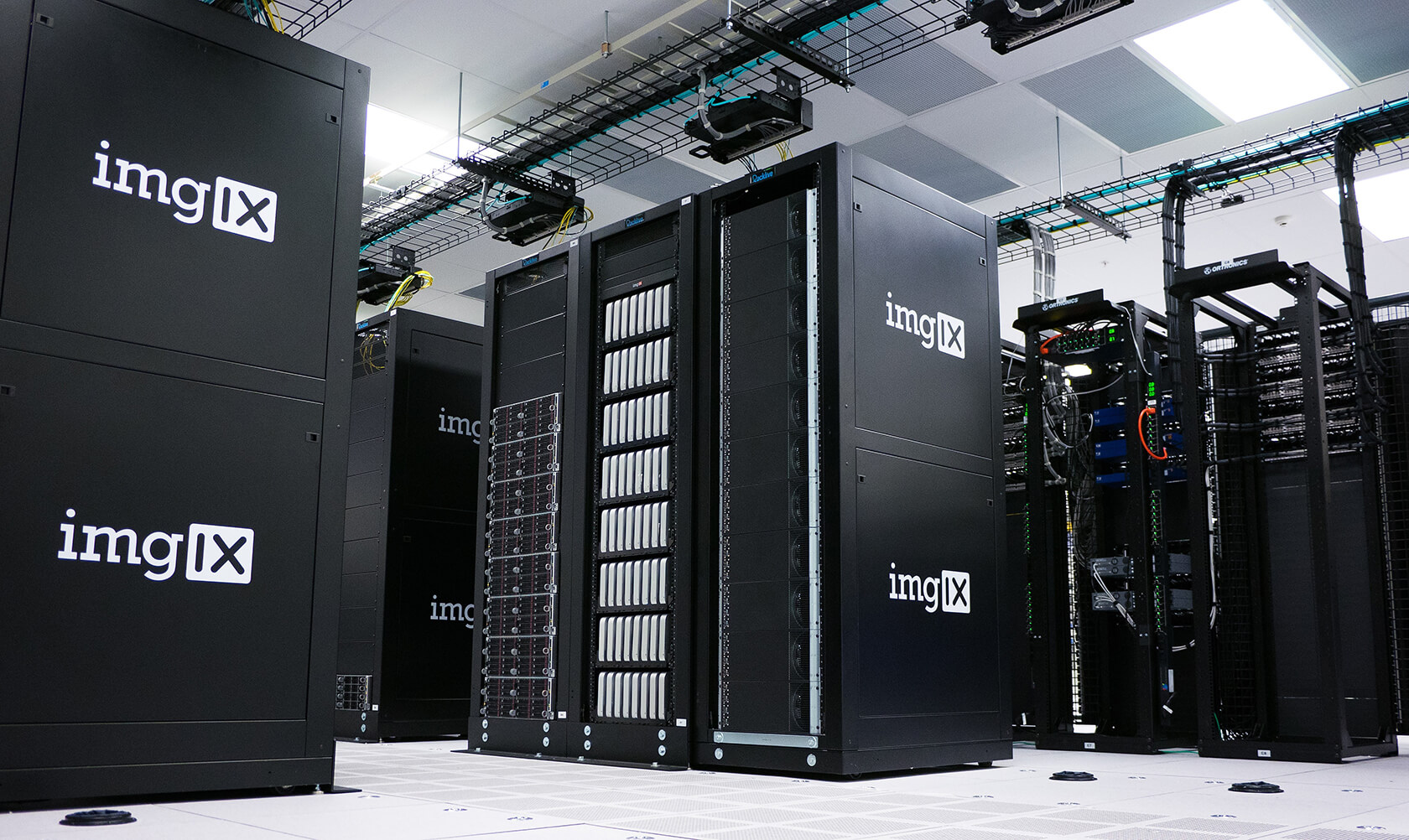

Over the past decade, cloud computing revolutionized how data was stored, processed, and accessed. However, 2023 has seen a powerful shift toward a complementary model: edge computing. Rather than relying solely on centralized data centers, businesses are now processing data closer to where it is generated — at the “edge.” This change is particularly useful for Internet of Things (IoT) applications, autonomous vehicles, and smart cities where latency, speed, and real-time decision-making are critical.
The reason edge computing is rising is not because the cloud has failed, but because the volume of data has exploded. Devices in smart homes, medical equipment, and industrial systems are all generating massive streams of data. Sending all that data to a central cloud before processing is inefficient, costly, and slow. Edge computing reduces that bottleneck by enabling devices to act quickly, without waiting for instructions from distant servers.
What makes edge computing even more powerful in 2023 is its integration with AI. AI models are now small and efficient enough to run on edge devices. This means smarter decision-making in real time. A security camera, for example, can detect intruders without sending footage to the cloud. Similarly, a car’s braking system can respond to hazards immediately without external inputs.
For businesses, edge computing provides tangible benefits. It lowers bandwidth costs, ensures data privacy (by minimizing transmission), and improves system resilience during outages. Industries like healthcare, manufacturing, and logistics are leading adopters. Even gaming companies are exploring edge to enhance performance and reduce latency.
Yet, the technology is not without challenges. Securing data at the edge, managing distributed infrastructure, and maintaining consistent performance across devices are ongoing concerns. Nevertheless, major players like AWS, Microsoft Azure, and Google Cloud have already launched edge services, signifying confidence in its future.
In conclusion, edge computing is not replacing the cloud but enhancing it. This hybrid model—cloud for storage and edge for processing—is shaping the future of IT infrastructure. As 5G and IoT continue expanding, edge computing will become indispensable for any enterprise seeking performance, security, and speed.