


The explosion of generative AI technologies like ChatGPT, DALL·E, and GitHub Copilot has radically transformed the IT landscape. What started as novelty tools quickly became powerful productivity engines, enabling developers, analysts, and engineers to automate complex tasks. As generative AI entered mainstream use in 2023, it began reshaping the roles and responsibilities of IT professionals.
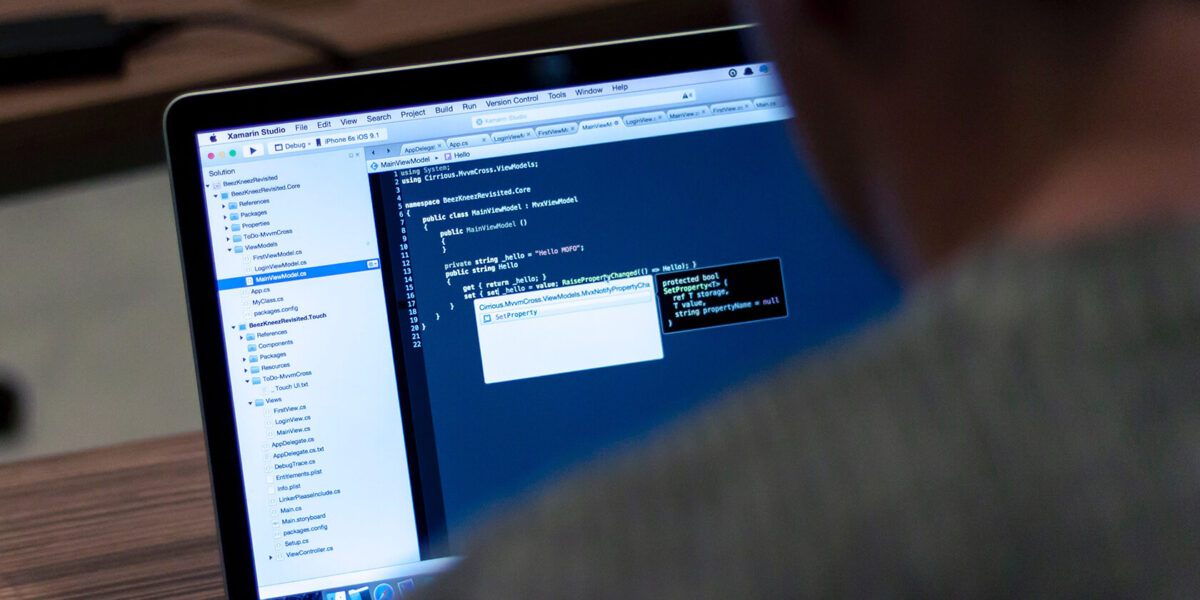
One of the most impacted areas is software development. With tools like Copilot, developers are now writing code faster and with fewer errors. These systems suggest entire functions, auto-complete syntax, and even optimize performance in real time. While this boosts efficiency, it also requires developers to be more vigilant in reviewing code for logic flaws, security vulnerabilities, or ethical concerns.
System administrators and DevOps engineers are also experiencing a shift. With AI-driven automation, tasks like server monitoring, patch management, and even incident response are being handled by intelligent agents. This doesn’t eliminate human roles but instead elevates them. IT pros are now expected to focus on strategic decision-making, system architecture, and policy enforcement.
However, the benefits of generative AI come with trade-offs. Bias, hallucinations, and data privacy are major concerns, especially when using AI in mission-critical applications. In 2023, organizations started to prioritize “AI governance,” creating dedicated teams to evaluate model outputs, establish guardrails, and ensure compliance.
Moreover, the education and upskilling demand is growing. IT professionals must now understand AI concepts, prompt engineering, and model fine-tuning. Training programs and certifications are booming as professionals rush to stay relevant in an AI-enhanced job market.
Ultimately, generative AI isn’t replacing IT jobs — it’s redefining them. It’s transitioning IT roles from technical execution to creative collaboration with machines. Those who embrace this synergy will thrive, while those who resist may find themselves left behind in this evolving digital frontier.